Straight
This is the FAQ for buying, selling, and owning a home in San Antonio and the surrounding Hill Country: what an inspection covers, how long it takes, how pricing works, what to do about foundations on clay soil, and how the Texas option period fits together. Every answer is written the way the inspector talks, straight and in plain English, and most are also available in Spanish on the Spanish version of this page .
Jump to a category
All 30 Questions
- What does a home inspection in Texas cover?
- How long does a home inspection take?
- How much does a home inspection cost in San Antonio, and what sets the price?
- When should I schedule my home inspection?
- Should I attend the home inspection?
- How do I read my inspection report?
- Should I worry about foundation cracks in San Antonio's clay soil?
- Does the inspection check the roof for hail damage?
- Does a new construction home need an inspection?
- What is a pre-listing inspection for sellers?
- How does the Texas option period work?
- What is a wind mitigation inspection?
- What is a 4-point inspection?
- What is a termite or WDI inspection?
- What areas do you serve?
- Should I get a home inspection before making an offer?
- How should I prepare my house for a home inspection?
- How soon will I get my inspection report?
- What happens after the inspection? Do I have to fix everything the report finds?
- Who pays for the home inspection, the buyer or the seller?
- Do you inspect pools and spas as part of the home inspection?
- Is a home inspection required when buying a house in Texas?
- If the seller agrees to make repairs, do you come back to verify them?
- Do you offer home inspections on weekends or evenings?
- How do I choose the right home inspector in San Antonio?
- Do you inspect wells and septic systems on Hill Country properties?
- Should the seller be present during the buyer's home inspection?
- What should I do if the inspection finds a serious problem? Should I walk away?
- Do you test for mold, radon, or other environmental hazards during the inspection?
- The seller already has an inspection report. Do I still need my own?
Before you book
Getting
What does a home inspection in Texas cover?
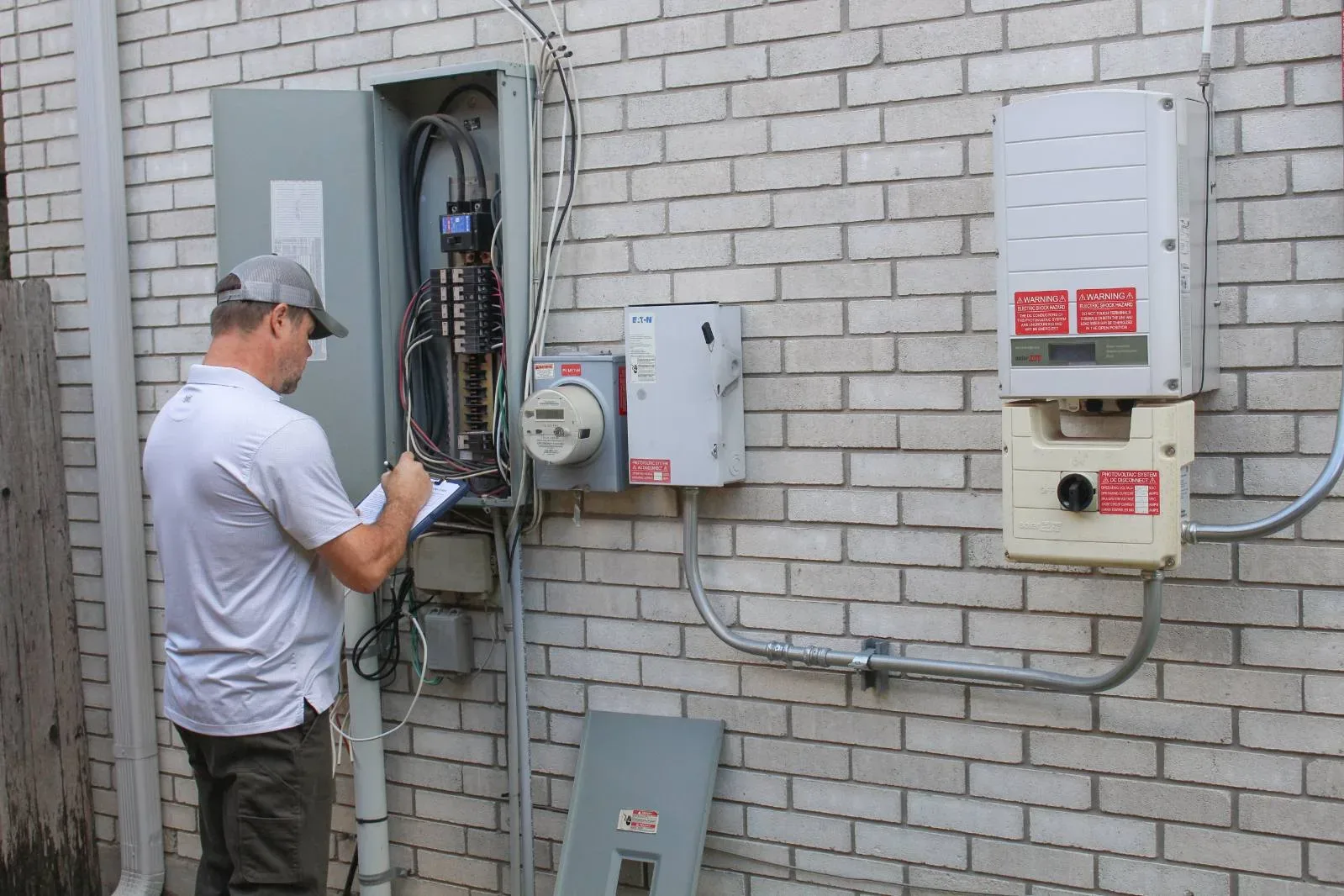
A home inspection is a visual, non-invasive examination of the property, from foundation to roofline. A full Rodeo inspection is performed to the standards of practice for professional inspectors in Texas and covers the foundation and structure, roof covering and attic, electrical system, plumbing, heating and cooling (HVAC), built-in appliances, exterior walls and grading, interior rooms and finishes, insulation and ventilation, and fireplaces and fuel-burning appliances. It is not an appraisal, not a warranty, and not a pass-fail test; it is a snapshot of the house on the day we walk it, with clear priorities for what matters and what can wait.
How long does a home inspection take?
A typical single-family home inspection runs about two to four hours on site, and longer for a bigger or older house with more systems to check. The time is the point: this is a few hours of walking the roof, the attic, the foundation, and every room and system, not a drive-by. Slower is better for you, because more ground gets covered and more evidence ends up in your report. If your schedule is tight around the option period, tell Chris when you book and he will work with your timeline.
How much does a home inspection cost in San Antonio, and what sets the price?
The cost of a home inspection comes down to the property itself: its size, age, number of stories, and the systems involved, plus any extra services you add on. Rodeo prices residential inspections up front based on the size of the home, with no stacked extras, so you know your number before you commit. The honest way to get a price for your exact house is simple: request a quote with your address and square footage, or book online and confirm the price with the inspector. A good inspection is one of the smallest line items in a home purchase, and it protects the biggest one.
When should I schedule my home inspection?
As soon as your offer is accepted, book it for the first available day inside your option period. In Texas, the option period is the buyer's window to investigate the property, and the inspection is its centerpiece; the later you schedule, the less time you have left for follow-up questions and repair requests. If you are buying new construction, schedule a pre-drywall check and another inspection before closing. Sellers listing in the San Antonio, Boerne, or New Braunfels markets often order a pre-listing inspection weeks before the house goes live, so issues are handled on their own schedule.
Should I get a home inspection before making an offer?
Some San Antonio buyers choose a pre-offer inspection, especially when they plan to waive the option period or need to move fast on a competitive listing. It is the same full home inspection, done before you commit, so you know what the house needs before you decide how much to offer or whether to walk away. If the deal moves forward, you simply have your report early and skip the scramble once the contract is signed. It is not the right call in every situation, so if you are buying in Stone Oak, Boerne, New Braunfels, or anywhere else in the San Antonio area and a listing is heating up, ask the inspector about pre-offer timing when you book and he will tell you straight whether it makes sense.
Who pays for the home inspection, the buyer or the seller?
In a typical Texas home sale, the buyer orders the inspection and pays for it, usually during the option period, and the report belongs to the buyer. That is why the inspection is scheduled after an offer is accepted, not before: the buyer is paying a modest fee to look under the hood before committing to the purchase. Sellers sometimes pay for their own pre-listing inspection to find issues before the house goes live, but that is a separate decision, and the buyer's inspection is still the one that matters most at the closing table. Either way, the money buys the same thing: a straight, honest picture of the house from a licensed Texas home inspector.
Is a home inspection required when buying a house in Texas?
No law in Texas requires a buyer to get a home inspection, and no state agency will make you do it. But in practice, almost every purchase contract in the San Antonio area includes an option period, a window of days when the buyer can investigate the property, back out, or renegotiate, and the home inspection is the main reason buyers use that window. Skipping it saves a little money up front and gives up the clearest picture you will ever get of the house before you own it. Lenders generally do not require one either, though some loan programs ask for specific reports like a termite or WDI letter. The honest advice from any Texas home inspector is the same: an inspection is not legally required, but it is the cheapest insurance you can buy against the surprises that show up after closing.
Do you offer home inspections on weekends or evenings?
The San Antonio home inspection schedule has to fit the option period, and Chris knows that clock is short. He works around your closing timeline whenever the calendar allows, including weekend or evening appointments for buyers who cannot get away from work during the week. The straight answer for your specific week is one booking question away: tell him your timeline when you book, and he will confirm the appointment time that works for your schedule, whether you are buying in Alamo Heights, Schertz, or the Hill Country.
How do I choose the right home inspector in San Antonio?
Look for a Texas-licensed professional inspector who knows how San Antonio homes are actually built and how they age: slab foundations on clay soil, roofs that have seen hail, older electrical panels, and the quirks of Hill Country acreage. The home inspector San Antonio buyers trust most does the whole walk-through himself, lets you attend, and hands you a plain-English report with photos and clear priorities, not a wall of jargon. It also pays to pick someone who can work inside your option period. Chris is a Certified Professional Real Estate Inspector in Texas with two decades of construction experience, and he is the one who shows up, start to finish.
The seller already has an inspection report. Do I still need my own?
Yes, and here is the honest reason: a pre-listing report belongs to the seller, it was ordered on their schedule, and it is not the same as a report written for you. Your own inspection is yours alone, timed to the start of your option period so the evidence is fresh, and walked by an inspector who owes you the full picture, not a summary prepared before the house went to market. Most buyers in San Antonio, Boerne, and New Braunfels still order their own inspection even when the seller shares a report, and most agents will tell you the same. The seller's report is a useful head start, but it does not protect your offer the way your own inspection does.
Inspection day & after
On Inspection
Should I attend the home inspection?
Yes, and it is the best free education in the whole home-buying process. Inspection day is your day: you follow the inspector through the house, ask questions as he goes, and see the evidence with your own eyes instead of reading about it later. You do not need any construction background; the whole point is that he explains what he finds in plain English. A couple of hours on site now saves you from surprises later, and you will understand your report twice as well for having been there.
How do I read my inspection report?
Read it like a conversation, not a grade. The report documents what was checked, what was found, and what it means, with photos and a priority order: what matters now, what to watch, and what is cosmetic. Not every finding is a deal-breaker, and a Rodeo report never leaves you guessing about which is which, because the inspector stays available to walk you through it after inspection day. Bring the priorities to your agent and, during your option period, ask for the things that matter and let the small stuff wait.
How should I prepare my house for a home inspection?
A little preparation goes a long way, and most of it comes down to access. Make sure the utilities are on, because the inspector needs to run the air conditioning, the water, and the appliances. Secure pets during the appointment, unlock gates, and clear a path to the attic access, the electrical panel, and the water heater. Trim anything blocking the roofline or the foundation so the outside of the house can be walked properly. You do not need a spotless home; the inspector sees real houses with real life in them every day. Whether it is an older brick home in Alamo Heights or a Hill Country place near Canyon Lake, ten minutes of prep makes inspection day run smoother for everyone.
How soon will I get my inspection report?
You will not be left wondering during your option period. The written report is typically delivered the same day or within 24 hours of the inspection, while the inspector's notes are still fresh. It arrives digitally with photos and a clear priority order: what to address now, what to watch, and what is cosmetic, and it is written in plain English, not inspector shorthand. The report is ready to share with your agent and use in your repair requests, and if anything is still unclear, the inspector goes over it with you after inspection day. A report only helps if you can act on it, so it is written to be read, understood, and used.
If the seller agrees to make repairs, do you come back to verify them?
Yes, and it is a step too many San Antonio buyers skip. A re-inspection, sometimes called a re-inspect or a verification visit, is a return trip to confirm the repairs agreed on during the option period were actually done, and done right, before you sign off. It is a shorter, focused appointment than the full inspection: the inspector re-checks the specific items from the original report, documents what was fixed and what still needs attention, and you get a plain-English update for your closing file. Buyers use it to close the loop on repair requests with confidence, whether the house is in Stone Oak, Boerne, or New Braunfels. Ask about re-inspection timing and pricing when you book, and it can be scheduled to line up with your closing date.
Should the seller be present during the buyer's home inspection?
The inspection is the buyer's appointment, and the standard advice is to give the buyer room to ask questions openly. Many sellers step out, or stay close by, while the inspector does the walk-through, so the buyer and their agent feel free to talk through findings as they come. The seller has every right to be there, and it can even help: a seller can answer questions about the property's history, recent repairs, or a neighborhood quirk and save everyone time. Either way, the inspector reports what he sees, factually and the same way, no matter who is in the room. If you are the seller and want to see your house the way a buyer's inspector will, a pre-listing inspection puts you in the driver's seat instead.
Local ground truth
San Antonio
Should I worry about foundation cracks in San Antonio's clay soil?
San Antonio sits on expansive clay soil that swells when it rains and shrinks in the drought, and the slab moves with the ground. That is why hairline cracks, sticking doors, and crooked openings show up in nearly every home here eventually. Most of that movement is routine and tolerable. The cracks that deserve attention are the ones tied to real structural movement: larger or offset cracks in the foundation or brick, doors that will not latch, or new damage after a dry spell. An inspection reads the whole picture, the slab, the grade, the drainage, and the history written on the walls, and tells you whether a crack is cosmetic or structural.
Does the inspection check the roof for hail damage?
Yes. The roof is one of the systems the inspector always walks, and in South Texas that includes reading it for hail and storm history. The inspection checks the shingles for bruising, granule loss, and missing or lifted tabs, the flashing and pipe boots where leaks actually start, and the attic for stains and daylight. After a big spring hailstorm, door-to-door roofers make a lot of claims; a documented inspection gives you the baseline to verify them, and it is the same evidence your insurance conversation needs. Not every hail dent is damage, and not every roof that survived a storm needs replacing.
Deals, sellers & specialty reports
The Full
Does a new construction home need an inspection?
Yes, and that is a hill worth standing on. A brand-new house can have brand-new problems: missing insulation, unsealed ducts, trim and cabinet details, and foundations settling on cut-and-fill San Antonio lots. New builds also carry a one-year builder warranty in Texas, and the right way to use it is a thorough inspection before closing and another around month 11, so you can hand the builder a punch list while they still have an obligation to make it right. New construction gets the same slow, thorough treatment as resale, with the findings put in plain English.
What is a pre-listing inspection for sellers?
A pre-listing inspection is the same full home inspection, ordered by the seller before the house ever hits the market. It shows you your home the way a buyer's inspector will see it, so you can fix the issues worth fixing on your own schedule and price the house honestly, instead of negotiating from a surprised position later. Sellers across San Antonio, Boerne, and New Braunfels use it to take most of the drama out of the option period and close smoother. It is not a guarantee that the buyer will skip their own inspection, but it puts most of the surprises on your list, not the buyer's.
How does the Texas option period work?
The option period is the window in a Texas purchase contract, usually seven to ten days, when the buyer can investigate the property and can still walk away or renegotiate. The home inspection lives inside this window, and it is the main reason most buyers exercise it. Get the inspection scheduled the moment your offer is accepted, because every day you wait is a day the seller's clock keeps ticking. Know what the inspection finds, decide what to ask for, and make your calls while the option period still gives you the leverage.
What is a wind mitigation inspection?
A wind mitigation inspection documents how the roof and structure are built to resist wind: the roof geometry, how the decking is fastened, the roof-to-wall connections, and the secondary water barrier under the shingles. In Texas, the formal windstorm certification applies to homes in the designated coastal catastrophe areas; Bexar County is inland, so a San Antonio home does not need it for a standard policy. It can still make sense when an insurer asks about wind-resistant features, after a hail or wind claim, or on an older roof, because it documents the details a policy conversation needs.
What is a 4-point inspection?
A 4-point inspection is a focused report on the four systems insurance companies care about most: the roof, the electrical system, the plumbing, and the HVAC. Insurers commonly ask for one on older homes before they will write a policy, and it answers specific underwriting questions about age, condition, and safety rather than giving the full-house picture. Those four systems are exactly the systems every Rodeo inspection checks anyway, so if your insurer needs the report in a specific format, say so when you book and the inspector will make sure you get what the policy requires.
What is a termite or WDI inspection?
A WDI, or wood-destroying insect, inspection is the termite report many Texas lenders and closing agents ask for during a sale, and it is a distinctly different specialty from a general home inspection. Rodeo performs the WDI report as an add-on you select when you book, so the termite report and your full home inspection run on the same schedule. Mention it when you book and we will make sure both fit your option period.
What happens after the inspection? Do I have to fix everything the report finds?
No, and this is the question that saves buyers the most worry. The report is a snapshot of the house on inspection day, ranked by priority, not a list of demands. Some findings matter for safety or function and are worth asking the seller to address during the Texas option period; others are watch items or cosmetic details that most homes simply have. Your agent turns the findings into focused repair requests, and sellers expect negotiation like that, handled with straight talk, not a demand to fix every last item. Sellers who order a pre-listing inspection get the same clarity from the other side, deciding which issues to fix before the house goes live instead of haggling under a deadline. The inspection gives you information and leverage; what you do with it is your call.
Do you inspect pools and spas as part of the home inspection?
A standard home inspection covers the house itself: the structure, the roof, the electrical system, plumbing, HVAC, and built-in appliances. Pools and spas are separate systems with their own pumps, filters, heaters, and safety concerns, so they are not part of the standard inspection in Texas. If the house you are buying in San Antonio, Boerne, or New Braunfels has a pool, ask about a separate pool inspection when you book, and the inspector will tell you straight what is included and whether the equipment gets checked. A pool can hide expensive problems, cracked plaster, a failing pump, or a slow leak, so it is usually worth the extra look before your option period runs out.
Do you inspect wells and septic systems on Hill Country properties?
Yes, a private well and an on-site septic system can be part of a Rodeo inspection when the property has them, which matters on acreage around Boerne, Bulverde, Canyon Lake, and the rest of the Hill Country where many homes sit on their own water well and septic. The well check covers the visible condition of the equipment, the pressure, and the overall system, and the septic evaluation looks at the age, the tank and drain field where visible, and signs of trouble, so a Hill Country buyer is not surprised by a failing system after closing. Because this evaluation is separate from the standard home inspection, the best move is to mention it when you book so the right checks are set up for your property.
What should I do if the inspection finds a serious problem? Should I walk away?
Take a breath, because the first thing is to understand what the finding actually means before you decide anything. The inspector explains each issue, what caused it, and what fixing it would take. For big-ticket items like foundation movement on San Antonio's clay soil or an older roof after hail season, the next step is a licensed specialist: a foundation company or a roofer can quote the real cost, and you can get that done inside your option period. With a real number in hand you have real options: ask the seller to repair it, ask for a credit, or walk away if the numbers do not work. Walking away is a legitimate choice during the option period, but many deals move forward once the buyer understands the cost and the seller agrees to meet it. The report is the facts; what you do with them is your call.
Do you test for mold, radon, or other environmental hazards during the inspection?
A standard home inspection is visual and non-invasive, so it does not include laboratory testing for mold, radon, lead, or asbestos. What it does do is point out the conditions that matter: moisture, leaks, and the spots where mold can take hold, so you know what deserves a follow-up. When a house shows a water history, or a buyer simply wants extra certainty, the honest next step is a separate test ordered through a specialist, because that is the only way to get lab results for those. A home inspector in San Antonio can tell you straight whether environmental testing is worth adding for your specific house, and when it is, where to get it.
Where we ride
The Service
What areas do you serve?
Rodeo Home Inspections is based in San Antonio and serves the city plus the surrounding Hill Country and metro area: Alamo Heights, Stone Oak, Boerne, Bulverde, Canyon Lake, New Braunfels, Schertz, Cibolo, Fair Oaks Ranch, Helotes, and more. Whether it is an older brick home inside Loop 410, a ranch near Canyon Lake, or a new master-planned build in Schertz or Cibolo, the same careful inspection shows up. Looking for a home inspector in Boerne TX, New Braunfels, or anywhere in the San Antonio area? If your address is in range, or close to it, ask when you book and the inspector will tell you straight how the travel looks.
Didn’t see yours?
Still
Every house brings its own question. Send it over and you will hear back from the inspector who will actually be in the house with you, not a call center. Or browse the Field Notes for deeper reading on Texas inspections.
Rodeo Home Inspections LLC is owned and run by Christian Schmeis, a Certified Professional Real Estate Inspector in Texas with two decades of construction experience. Every inspection is done by him, start to finish.