
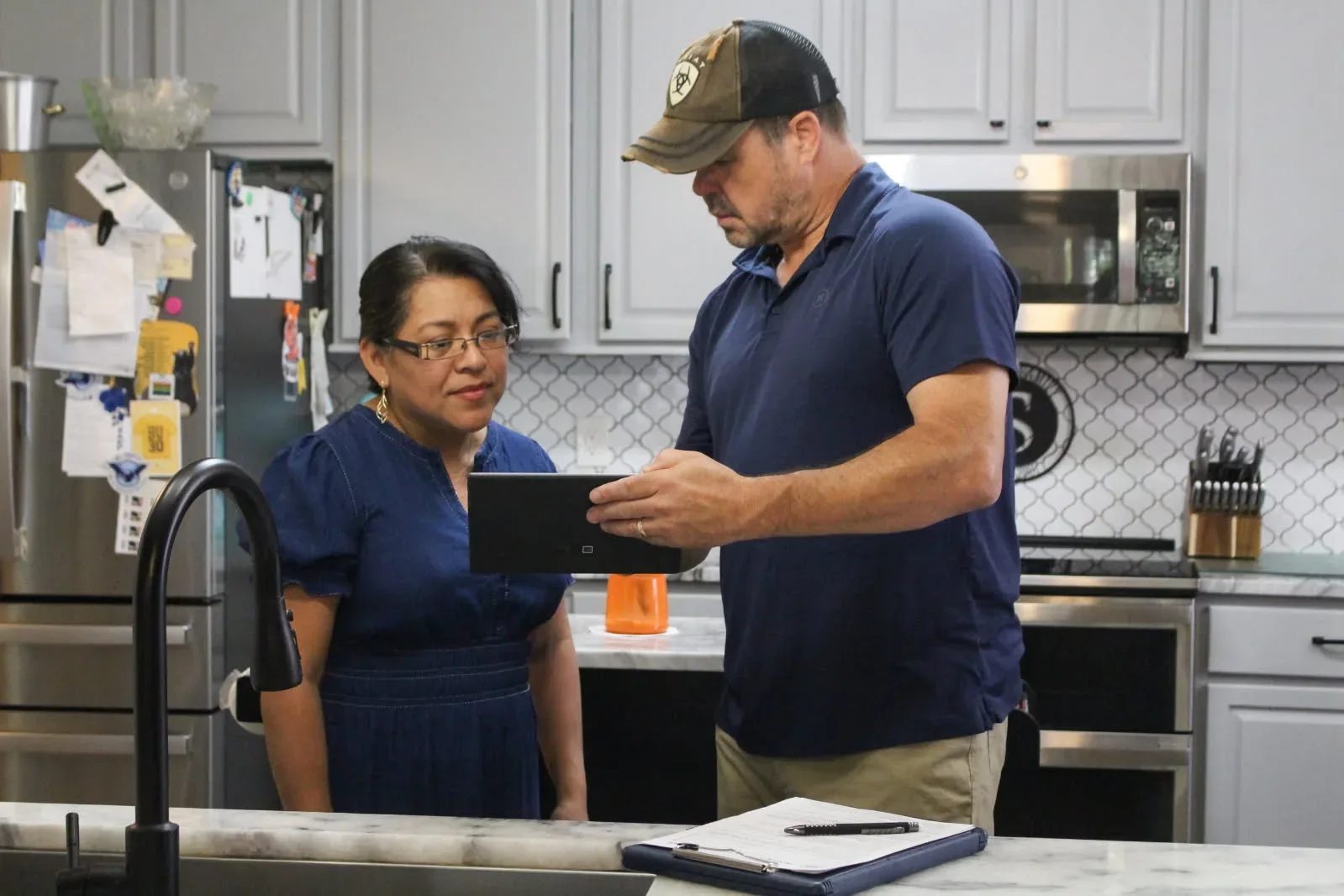
The moment your inspection report arrives, your heart rate goes up. It should not. A good report lists dozens of observations, and the vast majority are minor. Here is how to read yours like a pro, starting with the priorities.
Start with the big systems
Skip straight to foundation, roof, electrical, plumbing, and HVAC. Those are the systems that cost real money when they fail. If they are healthy, the report is off to a good start, whatever else it says.
Sort the findings into three buckets
- Safety items: things that can hurt someone, like missing GFCIs, exposed wiring, or a gas leak. These get fixed or negotiated, no debate
- Deferred maintenance: things that need attention soon but are not emergencies, like an aging water heater or worn caulking. Budget for them
- Observations and minor items: trim, paint, outlets that need a screw, and normal wear. These are almost never worth fighting over
Ask your inspector to explain
The best reports are the ones you can ask questions about. If a line is unclear, call the inspector who wrote it. At Rodeo we treat the report as the start of a conversation, not the end of one, and we are glad to walk buyers through the findings.
The takeaway
Few reports are deal-breakers, and even those are usually a chance to negotiate. Reading the report in priority order keeps the 40 minor items from drowning out the two that matter.
Christian Schmeis
Certified Professional Real Estate Inspector and owner of Rodeo Home Inspections LLC. Two decades in construction, now inspecting San Antonio’s homes full time.