
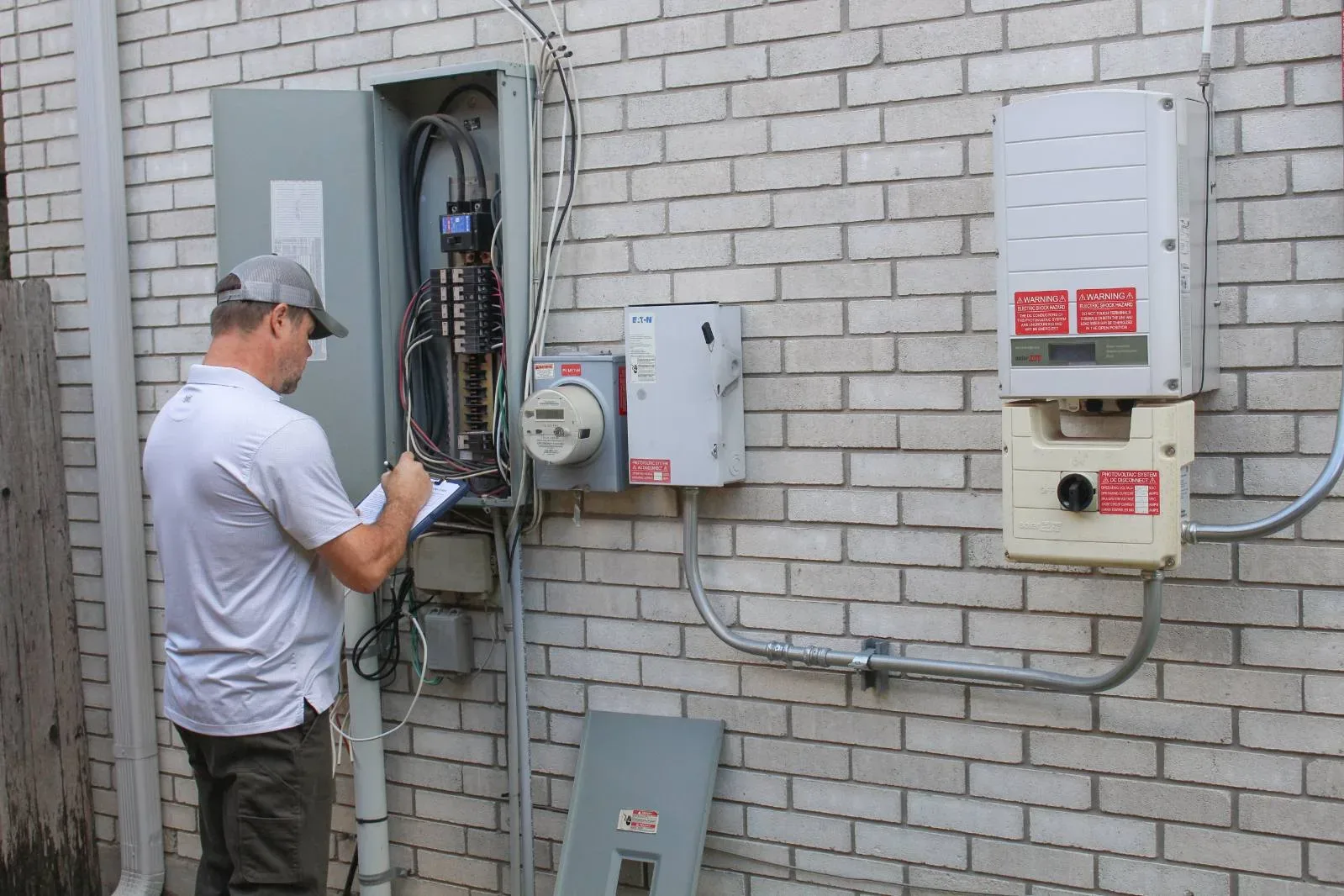
The electrical panel is where a house's age shows up first. A San Antonio home built in the 1950s or 1960s was wired for a different life: a handful of circuits, a few appliances, one television. Today that same panel feeds a house full of electronics, a kitchen that cooks with electricity, and an air conditioner that runs all summer. On older homes across the metro, from Alamo Heights to the inner loop, I open the panel cover on nearly every inspection and read the story it tells. This note is about the electrical panel problems in older homes I see most, which ones actually matter, and how to tell a nuisance from a real hazard.
Why older panels struggle with modern homes
The math is simple: older panels were sized for less electricity. A 100 amp service was generous in 1965. Today, a modern kitchen, a big HVAC system, an electric car charger in the garage, and a home office can push a small panel to its limit. The panel itself is not always the problem. The problem is what the house asks of it. When every breaker slot is full and the wiring has been added wherever it would fit, that is when the panel starts to misbehave.
The electrical panel problems we see most in older homes
- Breakers that trip often, especially when the AC kicks on or the kitchen is cooking
- Double-tapped breakers, where two wires are squeezed into one breaker slot that was made for a single wire
- Double-tapped neutrals in the neutral bar, a code violation that can energize the return path
- Aluminum branch wiring from the 1960s and 1970s, which needs special connectors and careful terminations
- Panels from manufacturers with documented failure histories, where breakers may not trip when they should
- A panel that is warm to the touch, or a faint burning smell near the panel or the outlets
What I check when I open the cover
Opening the panel cover is routine on every Rodeo inspection, and I look at more than whether the breakers are labeled. I check the panel brand and age, the size of the service, the condition of the bus bar, how the wires terminate, and whether the grounding is done right. I also read the clues the house leaves elsewhere: two-prong outlets, extension cords doing permanent work, lights that flicker when the AC starts, and outlets that feel warm. Together they tell the story of how the house was wired and how it has been treated.
What is normal in an older San Antonio home
Not every old panel is a hazard, and I say that plainly because a lot of buyers hear old panel and picture a fire. A 100 amp panel with room to spare, tidy terminations, and a clean history can be perfectly safe for decades. What matters is the condition, not the age. The homes I inspect in Alamo Heights, Monte Vista, Olmos Park, and King William were built in a different era, and many of them have been cared for well. The same goes for the older stock in Schertz, Cibolo, and New Braunfels, where ranch era homes sit alongside new subdivisions. The panel gets flagged when it is overloaded, modified badly, or from a brand with a documented failure history, not just because it is old.
What newer homes get wrong too
Newer construction is not immune. In Stone Oak, Boerne, Bulverde, and across the Hill Country, I still find panels with double-tapped breakers, missing labels, and circuits that were never mapped. Around Canyon Lake, where weekend cabins share the shoreline with full time homes, the panel deserves the same look as the roof. The difference is that a new build's problems are usually quick fixes, while an older panel can be a bigger conversation. Either way, the inspection finds it while you still have the option period to act.
What to do if the report flags the panel
If your inspection report flags the electrical panel, do not panic and do not ignore it. Get a licensed electrician to look at the specific finding and give you a quote. Some fixes are small, like moving a double-tapped wire to a proper breaker. Others are bigger, like a service upgrade from 100 to 200 amps. The right move depends on the house, the panel, and your plans, and a straight quote from an electrician beats a guess from anyone else. Your agent can help you negotiate the repair or the credit during the option period.
Buying an older home? Our 15 point buyer's checklist covers the systems that age with the house, room by room. The buyer's 15 point checklist
The takeaway
The electrical panel is the one system in an older home that every other system depends on. When it is healthy, the house runs fine for decades. When it is overloaded or modified badly, it is the kind of problem you want to know about before you close, not after. If you are under contract on a home in San Antonio, Alamo Heights, Boerne, New Braunfels, Schertz, Cibolo, or anywhere across the metro, the inspection is the moment to find out.
Ready to get the straight story on the panel before you sign? One click and your inspection is on the books. Book your inspection
Christian Schmeis
Certified Professional Real Estate Inspector and owner of Rodeo Home Inspections LLC. Two decades in construction, now inspecting San Antonio’s homes full time.